
Ready… set… retreat!
Between job pressure, health issues, family duties, housework, and countless other interruptions, it’s easy for writing to start to feel like an obligation. We can get to a mindset where we enter each writing session with grim determination or, even worse, a vague sense of dread.
That’s when it’s time to retreat. Get away from your daily life, clear your mind, and immerse yourself in creativity.
Writing retreats, at their fanciest, can last several days and cost thousands of dollars. They feature group meditations and yoga and daily affirmations and gourmet food. That’s not for me.
Another choice is a mini-vacation with like-minded writing friends. Pick a place everyone likes, and choose your own balance between writing and vacationing.
Neither of these scratch the same itch as a solo retreat. Quick, cheap, easy to schedule, a solo retreat might be what you need to get the creative juices flowing again. Here’s how.
Step 1: Find your happy place
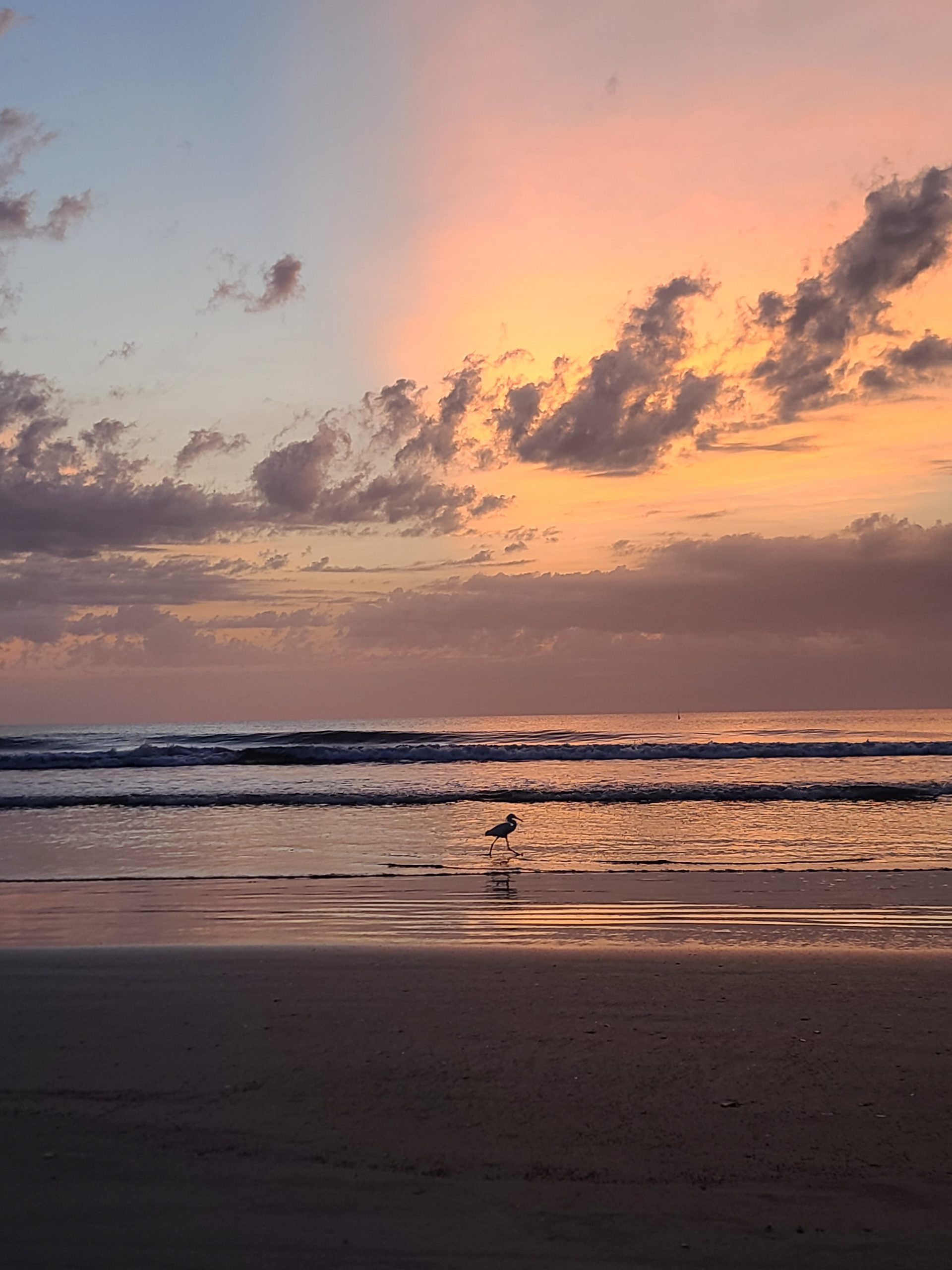
What environment is the least stressful for you? For me, the wilderness is at the top of my list. Put me on a mountainside or a secluded beach and my whole body starts to change. I breathe easier. My senses come alive.
Small towns are great, too. Exploring a farmer’s market or discovering new shops wakes up the social version of me. I chat with strangers, tell bad jokes, and settle into a contented sort of curiosity.
The location doesn’t have to be extravagant. I know some writers who do retreats at their homes. They tell their family to leave them alone and lock themselves away. That doesn’t work for me, but it might be worth seeing if it works for you.
For my most recent solo retreat, I chose a house in a small town, with a lake and some minor hiking trails. I’m dealing with a broken foot, so it fit the bill quite nicely.
I don’t mind hotels, but they don’t work well for writing retreats because the rooms tend to feel sterile. If at all possible, I’ll go with a cabin or a tent or a vacation rental.
Step 2: Determine the length
If it’s your first time, don’t go more than a couple days. You might want to start with just one (preferably sandwiched between two nights). My sweet spot is 2-3 days (4-5 nights). Anything more than that, and I start feeling guilty for taking too much time away.
Step 3: Prepare
Bring supplies: food, drink, whatever clothes, pillows or stuffed animals you want. I also bring a monitor, because I like working on a larger screen. Munchies are a necessity. Nothing’s worse than being on a hot streak and having to break for food.
The psychological prep is just as important as the mundane. In the days leading up to your retreat, think about what you’ll be working on. Wander a grocery store and pick out some treats. Research the area. Find activities that would make fun breaks. Put together some playlists to listen to. Get excited!
Step 4: Leave the world behind
This may sound obvious, but the point is to disconnect from your day-to-day life. That means turning off notifications from your work and telling your family you’re unavailable. If you’re a news junkie (and who isn’t), do your best to ignore the news. If you’re addicted to social media, find some way to make it unavailable to you.
Don’t be flexible about leaving the world behind. It’s the defining quality of the experience.
Step 5: Show yourself grace
Leaving the world behind can feel indulgent, and that feeling may bring a sense of responsibility to accomplish serious writing. On my first writing retreat, I piled on the pressure. I determined to wake up at six each morning and write until I met my goals.
It was miserable. Don’t do that.
Instead, bring a relaxed mindset. The idea is to open yourself up to your process, not to become a writing machine. Take an honest look at your favorite patterns. How long is your favorite writing session? For me, it’s 2-4 hours, so I plan around that, with breaks for hiking, exploring, and eating.
Sometimes, a 4-hour session stretches to six or eight hours. If that happens, I just roll with it.
Step 6: Not too much grace
Writing can be hard, which means a writing retreat can also be hard. Take breaks. Go on hikes. Eat awesome food. Do whatever relaxes you. But don’t let the non-writing steal too much time from the writing.
Separating from the world and diving into your writing sounds fun and dreamy and uplifting, and it can be all of those things, but you may find (like I have) that effort is needed to get to that place. Don’t shy away from the work.
The rest is up to you!
Now that you have the steps, adapt them however you’d like. Taking the time to connect with your creative center is what matters, and a retreat (solo or otherwise) is a great way to do that.
Want to comment? Hit me up on Threads or Facebook!